New England
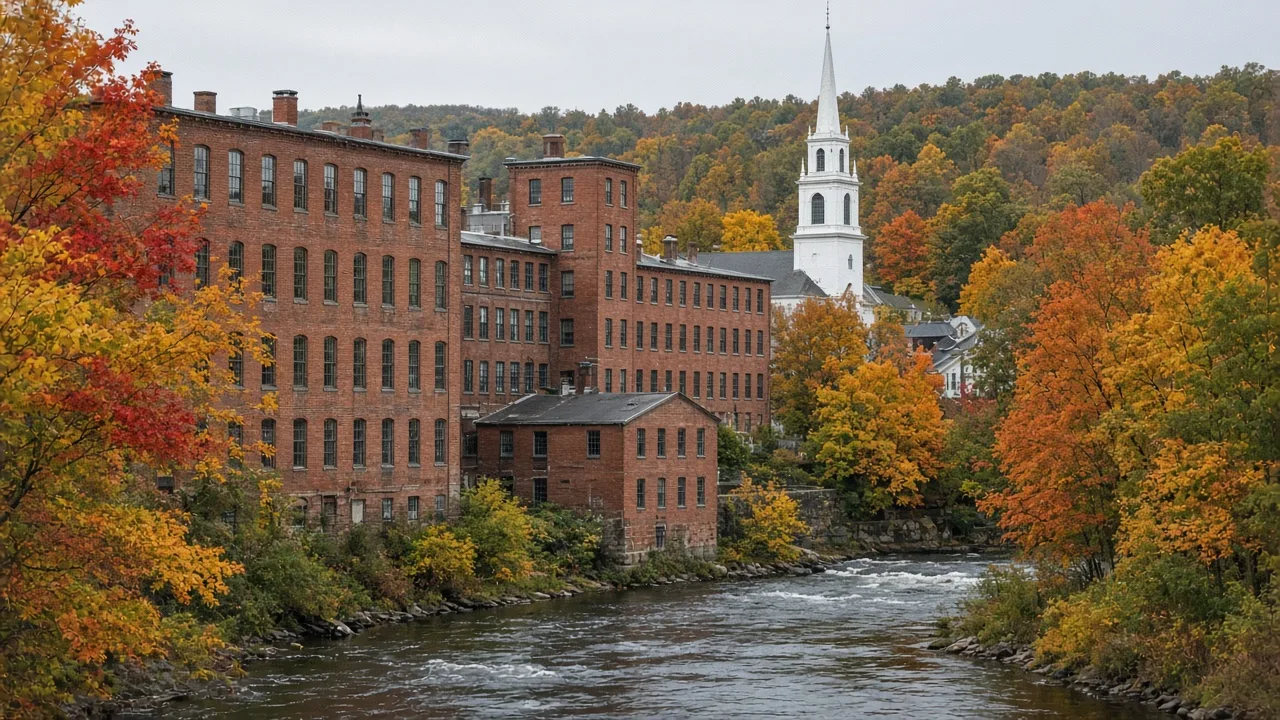
Maine, New Hampshire, Vermont, Massachusetts, Rhode Island, and Connecticut — including Boston, Portland, Hartford, and Providence. Coastal wind and snow loads show up on almost every structural set.
Coverage
Licensed PE stamping for permits east of the Mississippi — routed to an engineer holding an active license in the project state.

Every job is routed by the address on the title block. The PE who seals the set holds an active license in that state, and the license is checked with the board before the seal is applied. Digital PDFs are the usual delivery. Wet stamps are available when the department still files paper.
Site visits cover the same map. If the existing structure, grades, or equipment are not drawn, add the visit to the quote. The fee depends on the project type, not on which state the property is in, and it adds about two business days to the desk review.
Maine, New Hampshire, Vermont, Massachusetts, Rhode Island, and Connecticut — including Boston, Portland, Hartford, and Providence. Coastal wind and snow loads show up on almost every structural set.

New York, New Jersey, Pennsylvania, Delaware, Maryland, Virginia, West Virginia, and Washington, D.C. — including New York City, Philadelphia, Baltimore, and Richmond. City portals are picky about seal format and the code edition on the title block.
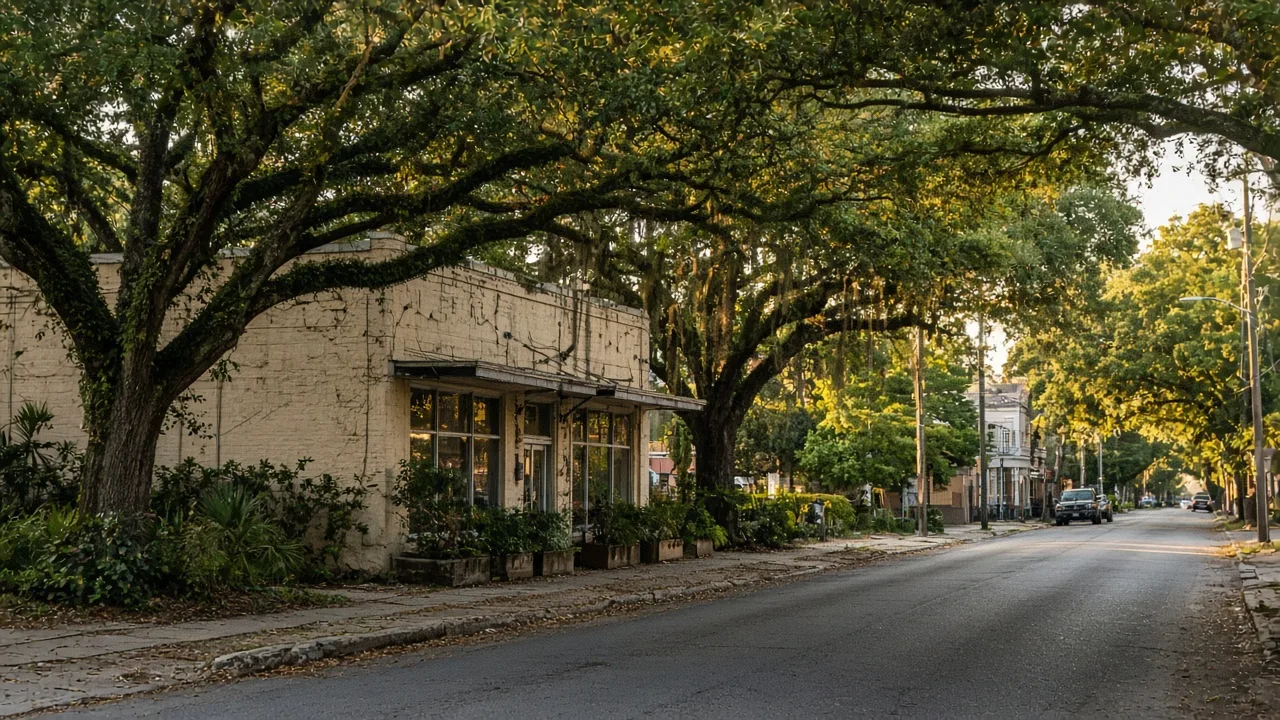
North Carolina, South Carolina, Georgia, Florida, Alabama, Mississippi, Tennessee, and Kentucky — including Charlotte, Atlanta, and Miami. Wind, flood, and energy notes are the comments that come back most often.
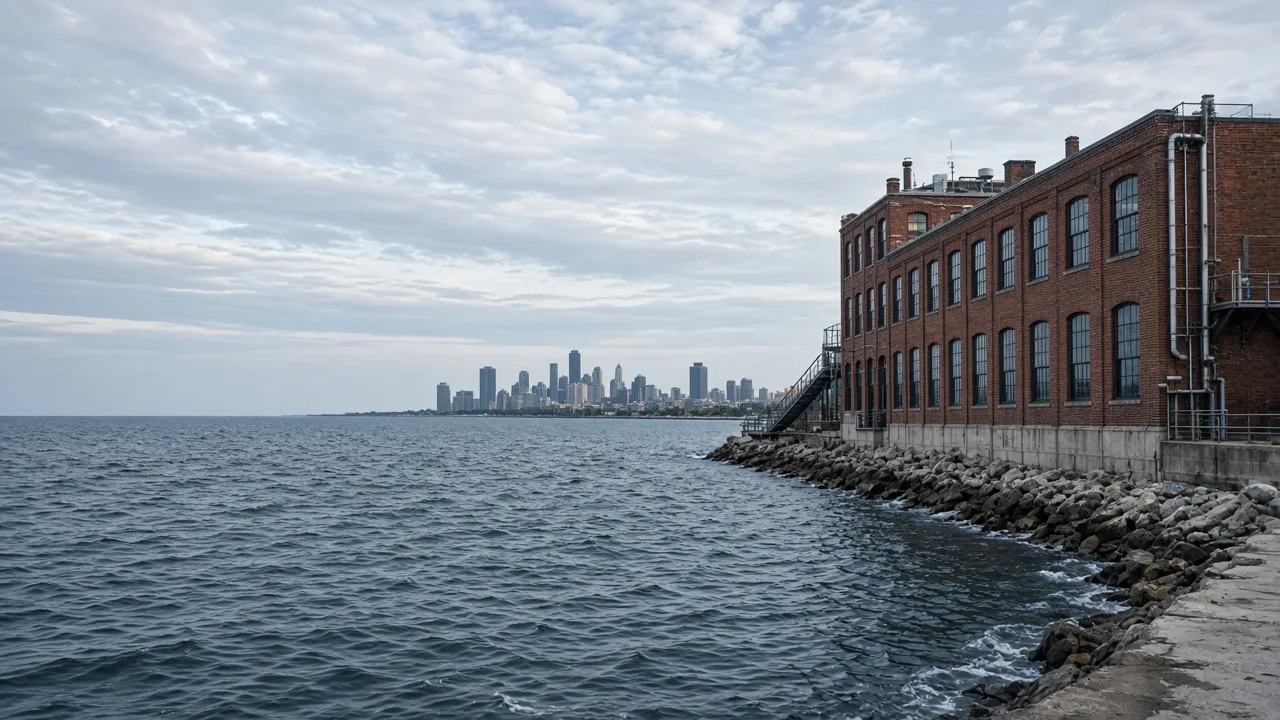
Ohio, Michigan, Indiana, Illinois, and Wisconsin — including Chicago, Detroit, Columbus, and Milwaukee. Snow load and older industrial buildings are the usual structural questions. States west of the Mississippi are outside this practice.
AL, CT, DE, FL, GA, IL, IN, KY, ME, MD, MA, MI, MS, NH, NJ, NY, NC, OH, PA, RI, SC, TN, VT, VA, WV, WI, DC
Jurisdiction pages for the states teams ask about most — what AHJs review and how to start a new quote with the location prefilled.
Florida AHJs apply the Florida Building Code, with extra wind and product-approval rules in Miami-Dade, Broward, and other HVHZ areas.
New York State PE licensure is required statewide, but NYC Department of Buildings filings are a different process from upstate municipal permits.
Pennsylvania permits expect a Pennsylvania-licensed PE, a Uniform Construction Code package, and a seal that meets the state board’s digital-signature rules.
Georgia building departments expect a Georgia-licensed PE, the firm certificate of authorization on the sheets, and the state minimum codes with local amendments.
North Carolina building departments expect a North Carolina-licensed PE on engineering sheets, with firm identification and a signature that meets NCBELS rules.
Illinois licenses Professional Engineers and Structural Engineers separately. Structural design, including foundations and retaining walls, needs an Illinois SE.
Virginia uses one statewide building code, enforced by local building departments. Sealed engineering needs a Virginia PE and a seal the APELSCIDLA Board will accept.
Massachusetts building officials enforce one state building code. Sealed plans need a Massachusetts PE and a signature that meets 250 CMR 5.03.
New Jersey uses one Uniform Construction Code, enforced by local construction officials. Electronic filings need a digital PE seal, and the job-site set still needs a seal the licensing rules accept.
Michigan uses one construction code, enforced by the state, a county, or a city depending on the address. Filed engineering carries a Michigan PE seal.
Ohio certified building departments enforce the Ohio Building Code. Engineering filed for permit carries an Ohio PE seal and a signature the board’s rule will accept.
Maryland counties enforce the statewide Building Performance Standards, with their own amendments. Sealed engineering needs a Maryland PE and the Board’s certification statement.
Tennessee plan review is either a locally exempt building department or the State Fire Marshal. Sealed engineering needs a Tennessee registrant in responsible charge.
Wisconsin commercial plans follow one state code. The seal carries the credential number and city, and a scanned signature does not replace a secured electronic signature.
Indiana still enforces the 2014 Indiana Building Code, based on the 2012 IBC. Class 1 construction documents carry an Indiana PE seal and signature on every drawing sheet.
South Carolina counties enforce one set of mandatory codes. Engineering filings need a South Carolina PE seal, and firm work also carries the certificate of authorization seal.
Most Alabama commercial permits are local. State-funded work, schools, hotels, and movie theaters go through the Division of Construction Management. Final sheets carry an Alabama PE seal.
Mississippi counties and cities adopt their own building codes from the Mississippi Building Codes Council’s minimums, and the five coastal-area counties must enforce wind and flood rules. Each engineering sheet is signed, sealed, and dated by a Mississippi PE.